20+
Years Of Experience
Stonework That Holds Against Regional Weather
Masonry and Limestone Services in Wellford for homes requiring structural repairs or decorative stone features built for South Carolina's humidity and temperature swings
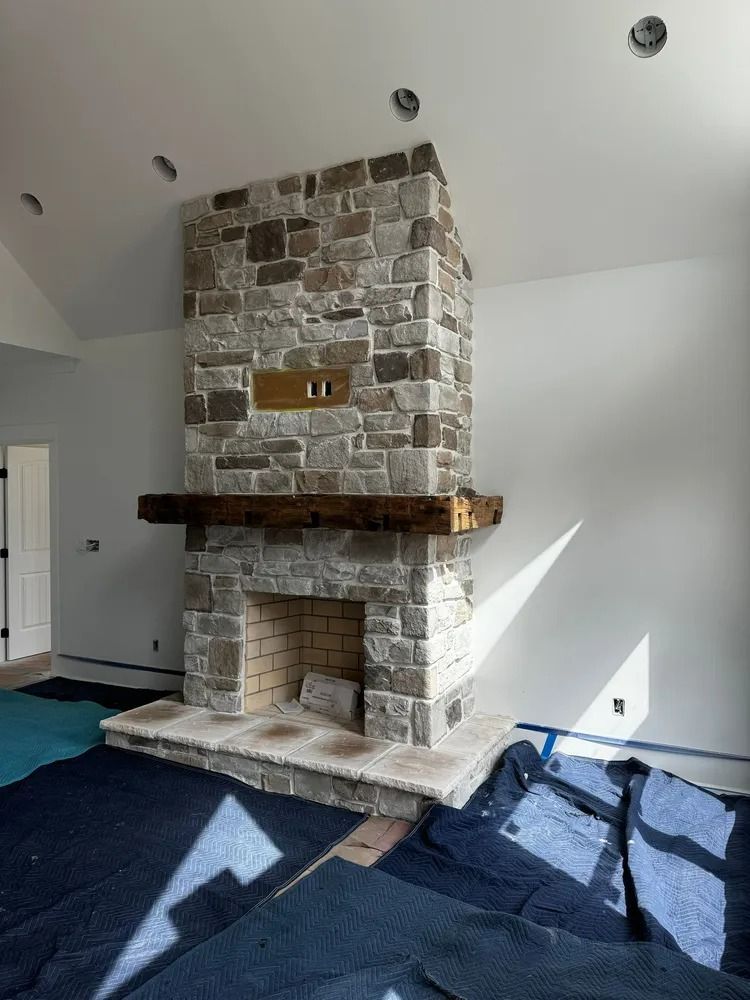
Natural stone and limestone installations provide durability and visual appeal that manufactured materials cannot replicate, particularly when properly set to handle moisture exposure common throughout the Upstate. Baires Masonry Solution completes stone walls, limestone accents, masonry repairs, outdoor features, and custom stonework applications using techniques refined over twenty years of masonry construction. You notice the difference in how limestone weathers compared to concrete products, developing a patina rather than surface degradation, and in how properly pointed stone walls shed water instead of trapping it behind mortar joints.
Masonry work involves selecting stone based on compression strength and porosity, cutting and fitting pieces to minimize joint width, and mixing mortar to match weather exposure and structural requirements. Limestone installations require different setting compounds than granite or fieldstone because limestone absorbs moisture at different rates. Repairs address failed mortar joints, cracked stone units, and moisture damage that appears as efflorescence or spalling on older masonry structures.
Arrange an on-site evaluation to identify specific masonry conditions and determine whether repair or replacement better addresses your property's needs.
How Masonry Addresses Structural and Visual Needs
Stone and limestone installations serve both structural and decorative purposes, with material selection and mortar composition varying based on whether the feature carries load, retains soil, or provides visual accent. The company applies craftsmanship that accounts for thermal expansion, moisture movement through stone, and how mortar joints must flex slightly without cracking during seasonal temperature changes typical in South Carolina.
Completed masonry work shows tight joints without gaps where water can enter, surfaces that remain plumb without leaning, and stone faces free of mortar smears or residue. Limestone features maintain their natural color variation without discoloration from improper cleaning methods. Repaired sections match existing stonework in joint profile and mortar color, making interventions difficult to distinguish from original construction.
Masonry projects include material sourcing, mortar preparation, stone cutting and fitting, and joint finishing, but structural assessments requiring engineering calculations or foundation underpinning work fall outside typical scope. Weather-resistant stonework depends on proper flashing installation where masonry meets other building materials, and on weep holes that allow trapped moisture to escape rather than freeze and cause cracking during winter cold snaps.
Common Questions About This Service
Masonry and limestone installations raise questions about material performance, maintenance requirements, and what determines project longevity in regional conditions.
What makes limestone suitable for outdoor features in the Upstate?
Limestone withstands South Carolina's humidity and temperature fluctuations when properly sealed, developing natural weathering that adds character rather than compromising structural integrity like moisture damage does to softer stone types.
How is mortar formulated for different masonry applications?
Mix ratios change based on stone porosity and exposure conditions, with lime-based mortars used for historic repairs and Portland cement blends applied where higher compressive strength matters for load-bearing walls.
When does existing masonry need repair versus replacement?
Repair works when mortar joints have failed but stone units remain intact and properly positioned, while replacement becomes necessary once stone has cracked through or walls have shifted out of plumb beyond what repointing can correct.
Why do some stone walls develop white deposits on the surface?
Efflorescence appears when water-soluble salts migrate through stone or mortar and crystallize on the surface as moisture evaporates, indicating water is moving through the masonry rather than shedding off properly.
What affects how long limestone features maintain their appearance?
Sealer application, exposure to direct weather, and how surrounding grade directs water flow all influence whether limestone darkens evenly or develops irregular staining from concentrated moisture contact.
Baires Masonry Solution sources stone materials based on project requirements and applies installation methods that account for how masonry performs in local climate conditions. Discuss your masonry project specifications and receive detailed planning that addresses both structural requirements and visual objectives.