20+
Years Of Experience
Surfaces Built for Decades of Use
Concrete Services in Wellford for driveways, patios, and outdoor slabs requiring long-term durability and consistent performance
Proper concrete work starts below the surface, where compacted base materials and accurate grading determine whether slabs crack prematurely or hold up through years of vehicle weight and seasonal moisture changes. Baires Masonry Solution completes residential concrete installations across Wellford, addressing the clay soil expansion tendencies that stress poorly prepared slabs. The difference between concrete that lasts and concrete that fails within five years comes down to subgrade preparation and control joint placement that accommodates thermal movement.
Concrete services include site excavation to remove unstable topsoil, base layer installation with mechanical compaction, forming that establishes finished elevations, and finishing techniques that produce slip-resistant surfaces without compromising water shedding. Mix design varies depending on whether the slab supports vehicle traffic, requires decorative color or stamping, or needs accelerated curing to meet project timelines.
Request a free concrete project estimate to review site-specific preparation requirements and finishing options.
How Concrete Installations Address Long-Term Performance
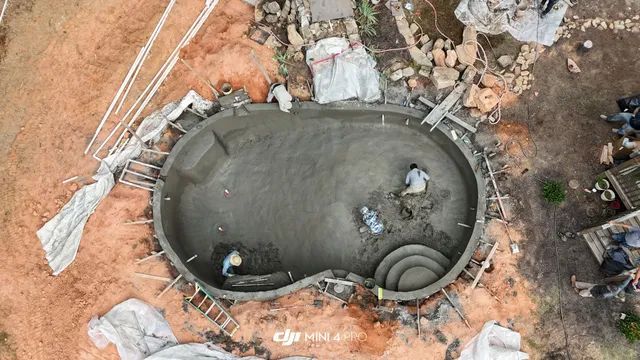
Installation begins with excavation that reaches load-bearing soil, followed by crushed stone base installed in lifts and compacted to eliminate voids where water could accumulate. Forms establish perimeter elevations and ensure drainage slopes away from structures, while reinforcement mesh or rebar placement depends on slab size and load expectations. Control joints are cut or formed at intervals calculated to direct cracking into planned locations rather than allowing random fracture patterns that compromise appearance and function.
After installation, you see surfaces that shed water without puddling, with edges that remain level against adjacent materials and no settlement depressions near building foundations. Driveways support vehicle loads without surface spalling or corner breakage, and patios provide stable footing that doesn't shift or tilt as surrounding soil conditions change with seasons. Finished surfaces maintain traction in wet conditions while remaining smooth enough for furniture placement and easy cleaning.
Concrete projects include finishing techniques selected for the surface's intended use—broom finishes for slip resistance on sloped driveways, smooth troweled surfaces for covered patios, or exposed aggregate textures for decorative outdoor areas. Curing procedures protect the slab during the critical first week when proper hydration determines final strength and crack resistance. Properties with poor drainage may require integrated solutions like perimeter drains or grading adjustments that prevent water from undermining base layers over time.
Answers to Frequent Service Questions
Homeowners considering concrete installations want clarity on how preparation, weather, and finishing choices affect results and maintenance over time.
What site preparation does concrete require?
Concrete installation requires excavation to stable subgrade, typically 4 to 8 inches depending on load requirements, followed by crushed stone base compacted in layers to prevent settling that causes slab cracking.
How do weather conditions affect concrete placement?
Concrete should not be poured when temperatures will drop below 40 degrees within 24 hours or when rain is forecast during finishing—conditions common during late fall and winter months in Wellford require scheduling around weather windows.
What causes concrete to crack and how is it controlled?
All concrete cracks as it cures and experiences temperature changes, so control joints are cut at calculated intervals to direct cracks into planned lines that remain tight and don't affect structural integrity.
How long before new concrete can handle vehicle traffic?
Driveways require seven days of curing before vehicle use to reach sufficient strength, though foot traffic is safe after 24 to 48 hours depending on weather conditions and mix design.
What finishing options work best for outdoor concrete?
Broom finishes provide slip resistance for driveways and walkways, while smooth troweled surfaces work under covered areas where water doesn't accumulate and decorative stamping adds texture without sacrificing durability.
Baires Masonry Solution plans concrete layouts that fit each property's drainage requirements and functional needs, using preparation methods that address local soil conditions. Contact our team to discuss your concrete project and schedule an on-site consultation for accurate measurements and material recommendations.